When a hotel seeks to reduce its energy consumption, attention often focuses on the major areas of expenditure: heating, air conditioning, domestic hot water, and ventilation.
However, the most significant cost overruns do not always result from faulty equipment or a major breakdown.
They often stem from small deviations that gradually take hold over time.
- A temperature that's slightly too high
- An unoccupied room that continues to be heated
- A ventilation system that operates continuously
- A forgotten setting
Taken individually, these discrepancies seem insignificant.
But on a hotel-wide scale and over several months, their financial impact can become significant.
The problem? These irregularities are often invisible until the invoices are received.
What is an energy drift?

An energy deviation occurs when energy consumption exceeds what would normally be required.
This means that the building consumes more energy than is actually needed for its operation.
These issues may be caused by:
- inappropriate settings
- equipment that is running unnecessarily
- incorrectly configured scenarios
- changing usage patterns without adjustments to the facilities
Unlike a breakdown, an energy drift does not interrupt the hotel’s operations.
That is precisely what makes it difficult to identify.
Everything seems to be working normally.
However, power consumption is gradually increasing.
Why Misconduct Often Goes Unnoticed
In many facilities, consumption is primarily analyzed based on invoices, monthly statements, and/or aggregate metrics.
This approach makes it possible to detect an increase.
But it rarely allows us to identify the cause.
For example:
- An empty room stays warm for several weeks
- A ventilation system operates continuously
- the temperature is set a few degrees too high
None of these phenomena are necessarily visible in everyday life.
And yet, their financial impact builds up day after day.
The Most Common Misconduct in Hotels
Certain situations occur regularly in hotels.
Unoccupied rooms with heating or air conditioning
This is probably one of the most common abuses.
An unoccupied room sometimes continues to function exactly like a reserved room.
Result:
- active heating without the need for
- air conditioning left on unnecessarily
- continuous consumption
Multiply this phenomenon by several rooms and several months.
The impact quickly becomes significant.
Extreme temperatures
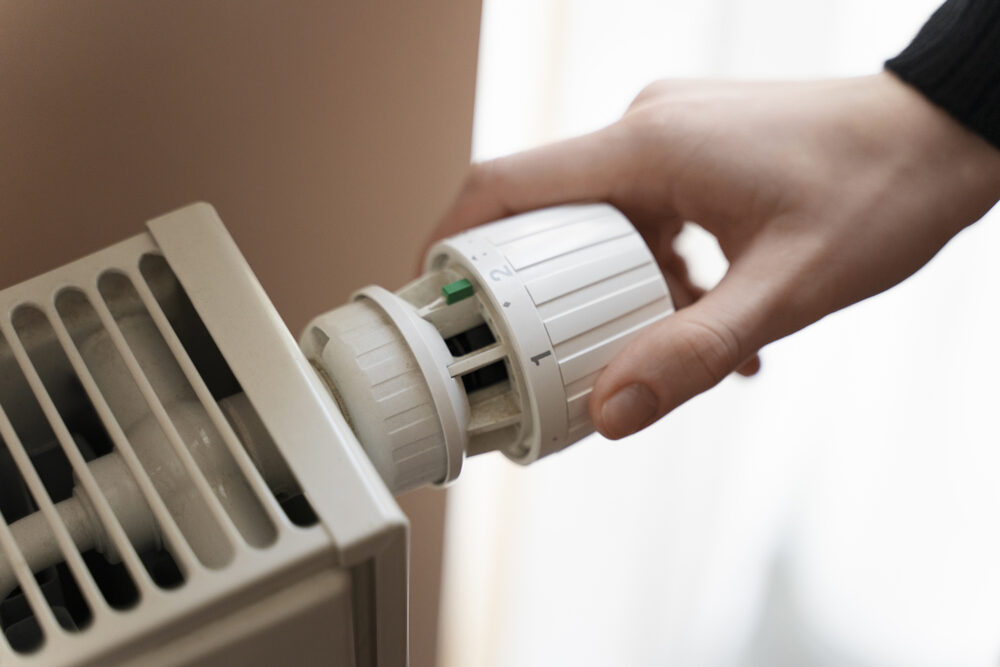
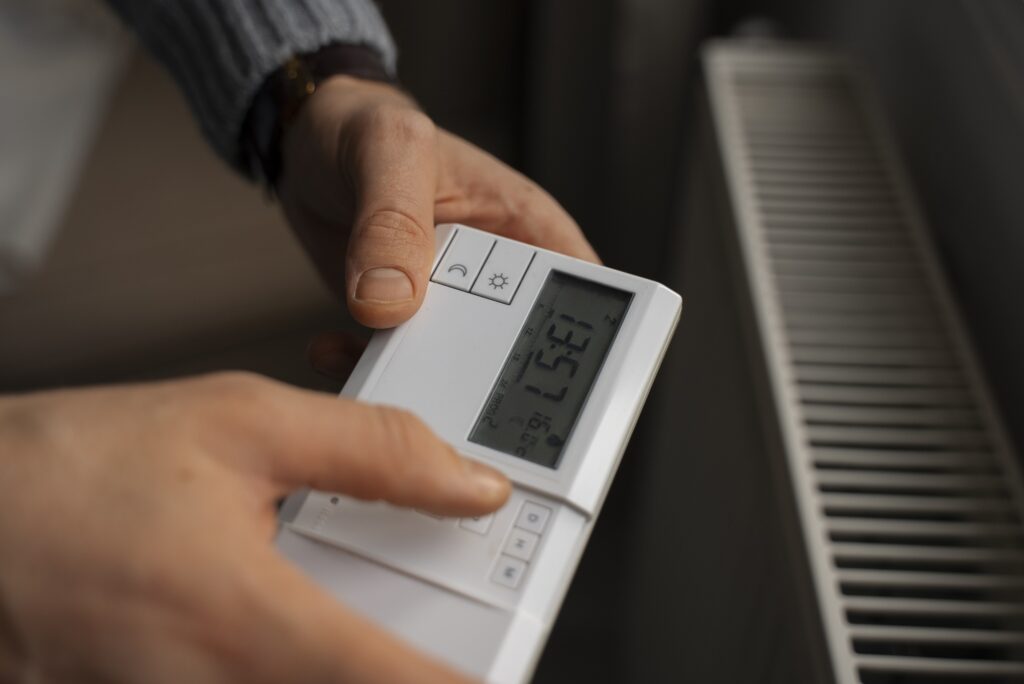
A few extra degrees may seem insignificant.
Yet their impact on energy consumption is far from insignificant.
According toADEME, a 1°C increase in the heating temperature can result in up to a 7% increase in energy consumption.
In a hotel, this situation may involve:
- the rooms
- the hallways
- common areas
- technical areas
A single poorly configured setting can cost several thousand euros a year.
A ventilation system that operates continuously
Ventilation is essential for comfort and air quality.
But when it operates without being adjusted to actual usage patterns, it quickly becomes energy-intensive.
This drift is often difficult to detect because it does not cause any immediate problems.
However, it consumes power constantly.

Poorly Optimized Domestic Hot Water
Hot water is a major source of energy consumption in the hotel industry.
Continuous production or improper settings can result in:
- heat loss
- unnecessary consumption
- additional costs that are difficult to identify
And unlike other equipment, these deviations often go completely unnoticed by the on-site teams.
Why a Few Euros a Day Add Up to Thousands of Euros a Year
This is often the point that surprises hoteliers.
An energy-related issue doesn't have to be dramatic to become costly.
Let’s take a simple example: an unoccupied room that uses a few euros’ worth of energy per day.
When you consider multiple rooms over several weeks or even several months, the annual cost can quickly reach several thousand euros.
The same reasoning applies:
- in the common areas
- in the breakdown
- with hot water
- technical equipment
The real danger lies in accumulation.
The impact is not limited to energy costs
Energy waste isn't just about the bill.
It can also generate:
- premature wear and tear on equipment
- more technical interventions
- more frequent malfunctions
- a more complex operation
In other words: an energy-related deviation is often also an operational deviation.
The longer a piece of equipment runs unnecessarily, the more strain it puts on its components.
And the greater the risk of problems.
Why Tracking Consumption Is No Longer Enough
Many facilities now have energy data.
But having data doesn't necessarily mean understanding what's going on.
The invoices show an increase.
They do not always make it possible to determine where it occurs, when it appears, and which equipment is responsible for it.
That's the key difference between monitoring and steering.
The most forward-thinking hotels are now seeking to:
- Take action before costs pile up
- quickly identify problems
- put consumption into context
- detect anomalies
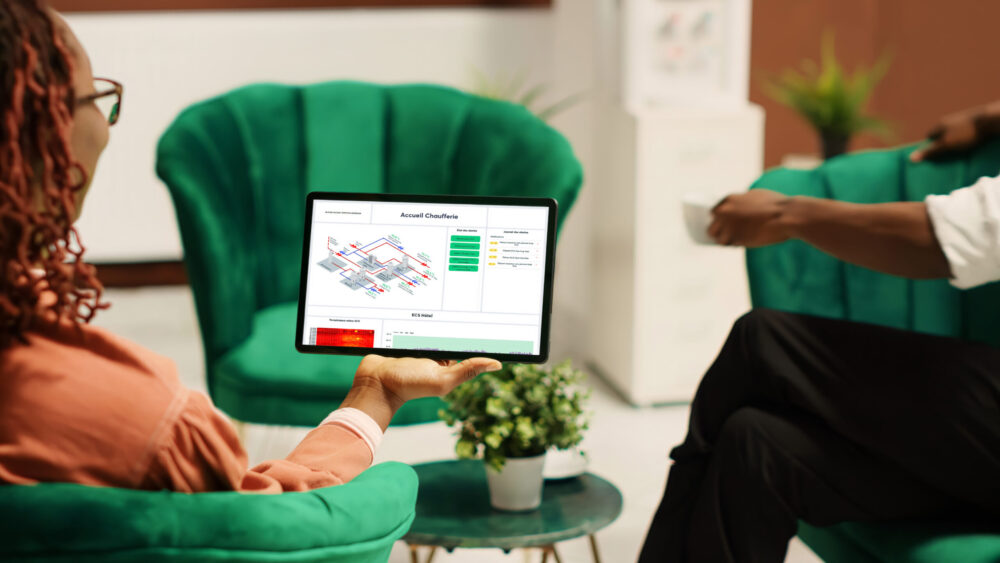
How to Reduce Energy Waste in a Hotel
The first step is to increase visibility, because it’s hard to take action on something you can’t see.
The highest-performing institutions seek to:
- track their consumption in greater detail
- understand actual uses
- adapt the equipment to the occupancy
- automate certain actions
- quickly detect anomalies
The goal is not necessarily to drastically reduce consumption.
The main goal is to eliminate unnecessary consumption.
And that’s often where the quickest gains can be made.
Do you know where your hotel's biggest energy inefficiencies lie?
Energy-related issues do not always take the form of a breakdown or a dramatic malfunction.
They usually develop gradually and without any noticeable symptoms.
- A few degrees too hot.
- An empty, heated room.
- A fan that's running unnecessarily.
- Improperly adjusted hot water production.
Taken individually, these discrepancies sometimes seem insignificant.
But on a hotel-wide scale, they can amount to several thousand euros each year.
The highest-performing facilities do not necessarily consume less simply because they invest more.
They consume less because they identify deviations more quickly and manage their operations with greater precision.
How about we work together to identify your energy losses?
Many unnecessary expenses go unnoticed for months before showing up on bills.
Identifying these discrepancies is often the first step toward sustainably reducing operating costs without compromising customer comfort.
Talk to an Ewattch expert to identify the key areas for optimizing your facility.