For many hoteliers, the issue of ARS inspections remains unclear.
These questions come up often:
- What exactly doesthe ARS check?
- How does an inspection work?
- What documents do I need to provide?
- What are the risks of noncompliance?
This uncertainty is understandable.
Health inspections are not part of the daily routine at most establishments.
However, certain topics receive special attention:
- domestic hot water
- the risk of Legionella
- traceability of inspections
- facility maintenance
- the health record
The good news? You don't have to prepare for an ARS inspection the day before.
Hotels that approach these inspections with confidence are generally those that have established a regular monitoring system for their facilities.
What is the purpose of an ARS inspection at a hotel?

First and foremost, there is one thing we must understand: the ARS is not intended to set traps for healthcare facilities.
Its goal is to ensure that health and safety conditions allow for the safe reception of customers.
In a hotel, this applies in particular to:
- domestic hot water systems
- Legionella Risk Prevention
- certain technical systems
- traceability of actions taken
The goal is simple: to ensure that the facility effectively manages the health risks associated with its operations.
Under what circumstances can a hotel be inspected?
There are several situations that can lead to an inspection.
Scheduled Inspection
The ARS may carry out monitoring activities as part of its regular duties.
Health Report or Incident
An audit may also take place after:
- a suspected case of Legionnaires' disease
- a water-related incident
- a detected nonconformity
- a specific report
Verification Following Corrective Actions
In some cases, the ARS may also verify that the requested measures have indeed been implemented.
No matter the situation, the logic remains the same: assess the level of control over health risks.
ARS Hotel Inspection: What Are the Main Items Checked?
This is often the first question operators ask.
And in most cases, the issues involve the water system.
Monitoring DHW Temperatures
The ARS generally verifies that the facility is properly monitoring the temperature of its domestic hot water.
Why?
Because temperature is one of the most important indicators for preventing Legionella risk.
Inspectors may, in particular, examine the records that have been kept, their frequency, their history, and the actions taken in the event of a discrepancy.


The Risk of Legionella
Legionella risk management is a key issue.
The facility must be able to demonstrate that it is implementing the necessary measures to limit the risk of proliferation.
This may include:
- the corrective actions taken
- the analyses conducted
- maintenance activities
- the procedures that have been put in place
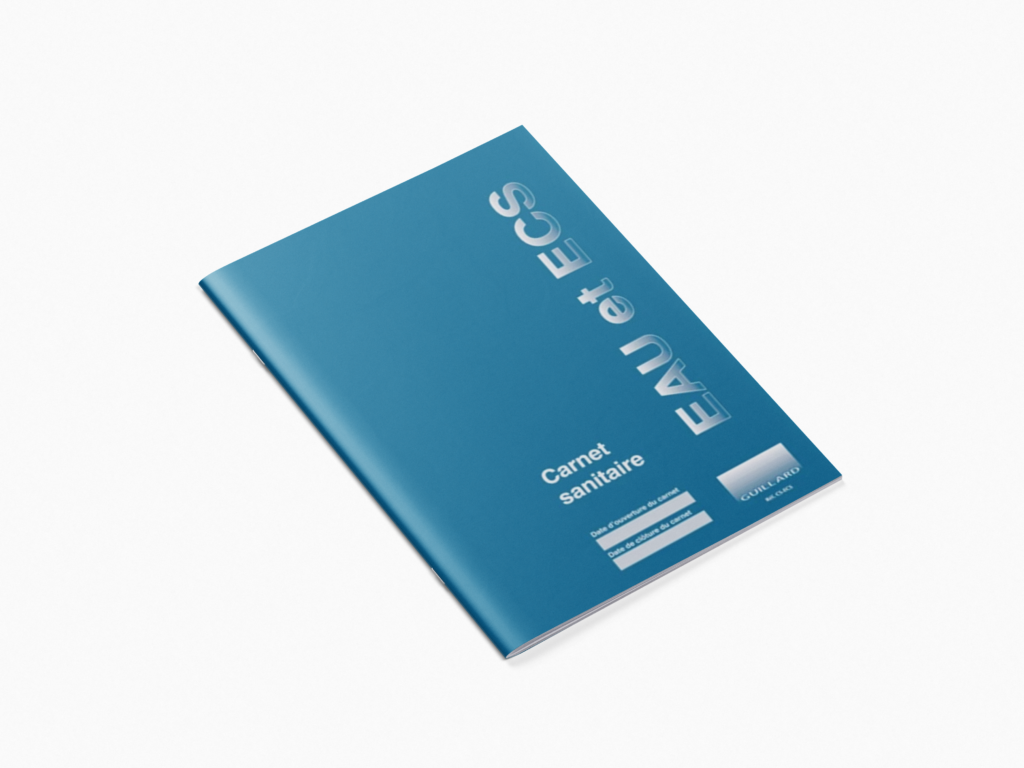
The Health Record
The health record is often one of the first documents requested.
In particular, it allows you to find:
- temperature readings
- maintenance work
- the analyses conducted
- any incidents
- corrective actions
An incomplete health record can quickly complicate an inspection.

Facility Maintenance
The ARS may also examine how the facilities are maintained.
The goal is to verify that the facilities are being properly monitored.
Documents to Prepare Before an Inspection
When an audit is announced, certain documents must be readily available.
Among the main ones:
- health record
- DHW temperature readings
- analysis reports
- maintenance history
- internal procedures
- incident reports
The goal is not to accumulate documents.
The goal is to be able to demonstrate that monitoring is carried out on a regular basis.
The Most Common Mistakes Observed in Hotels
Most difficulties do not stem from a lack of willpower.
They are often related to how follow-up is organized.
The following are frequently found:
- incomplete statements
- history that is difficult to trace
- irregular monitoring
- data scattered across multiple files
- insufficiently documented maintenance
- no alerts in the event of a deviation
These situations often cause stress during an audit.
Not because the actions weren't carried out, but because it becomes difficult to prove it.
Why Traceability Has Become Essential
Today, simply monitoring an installation is no longer enough.
You must be able to demonstrate that monitoring has been carried out.
That is precisely the purpose of traceability.
It allows you to save:
- the measurements taken
- inspection dates
- corrective actions
- maintenance operations
In the event of an inspection, this information demonstrates that the facility has its operations under control.
How can you calmly prepare for an ARS audit?
The most peaceful schools generally follow the same principles.
Maintain regular follow-up
Readings and inspections must be conducted throughout the year.
Not just when an audit is coming up.
Centralize information
A clear history makes it easy to quickly find the necessary data.
Detect deviations quickly
The earlier an anomaly is identified, the easier it is to correct.
Document the actions taken
Every major action must be documented.
Preparing for an audit begins well in advance of the audit date.
Why Manual Tracking Quickly Reaches Its Limits
In a small facility, manual tracking may seem sufficient.
But as the number of rooms, pieces of equipment, or checkpoints increases, the situation quickly becomes more complicated.
Teams must then collect the data, record it, archive it, and retrieve it when necessary.
This process can be time-consuming.
And, above all, it increases the risk of forgetting something.
How to Simplify Test Preparation
Today, the most forward-thinking hotels are looking to increase their visibility.
The goal is simple: to have the right information at the right time.
This involves, in particular:
- greater centralization of data
- automatic historicization
- alerts in the event of an anomaly
- greater visibility into equipment
This approach makes it easier to monitor operations on a daily basis, perform maintenance, and prepare for inspections.
It also allows teams to devote more time to the day-to-day operations of the facility.
Plan Ahead to Avoid Emergencies

An ARS inspection should never be treated as an emergency.
Organizations that approach this issue calmly are generally those that already have:
- structured follow-up
- clear visibility of their facilities
- clear traceability
- an easily accessible history
Beyond regulatory compliance, this approach primarily helps to better manage health risks, save time, and ensure safe operations.
When it comes to ARS inspections, daily monitoring is often the best way to prepare.
Is your hotel prepared for an ARS inspection?
Temperature monitoring, health logs, traceability of procedures…
Many establishments discover their weaknesses during inspections.
Anticipate risks and make it easier to monitor your facilities by gaining better visibility into your equipment.
Our Ewattch teams are here to support you with these issues—let’s discuss them together.