Best Western Le Chapitre turned to Ewattch to better manage its energy consumption, improve the visibility of its technical systems, and enhance guest comfort on a daily basis.
In a hotel, energy is about more than just a bill. It directly impacts the guest experience: room temperature, comfort in common areas, spa operations, air quality, service reliability, and the responsiveness of staff when issues arise.
With Ewattch, the hotel now has a clearer picture of its building and a management system that is better suited to the realities of hotel operations.
Goal: to make the hotel easier to manage without complicating the teams’ day-to-day work.
Background
A luxury hotel with several areas to manage
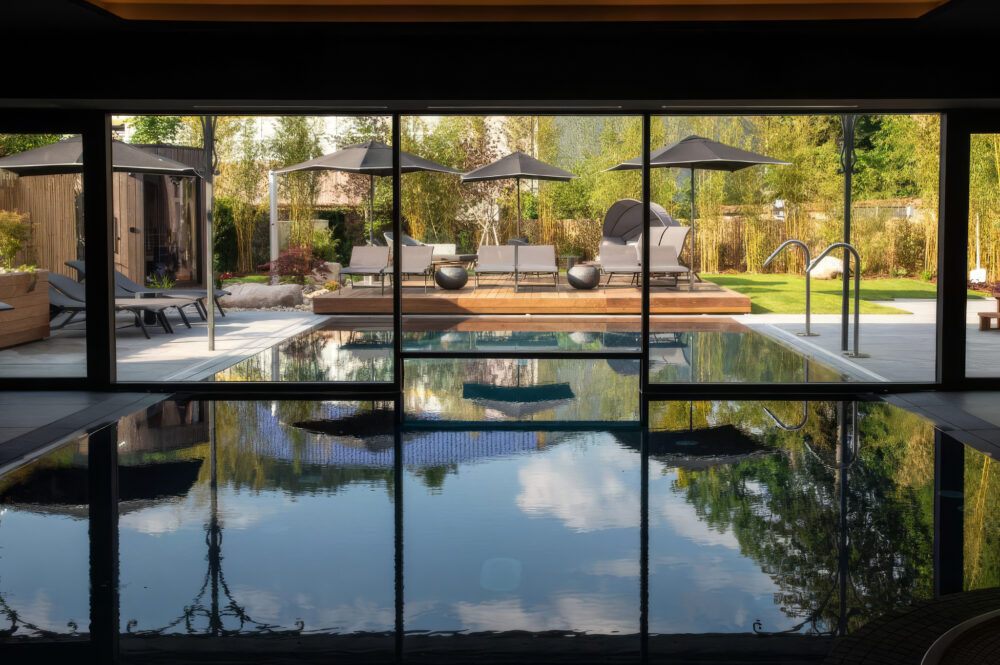
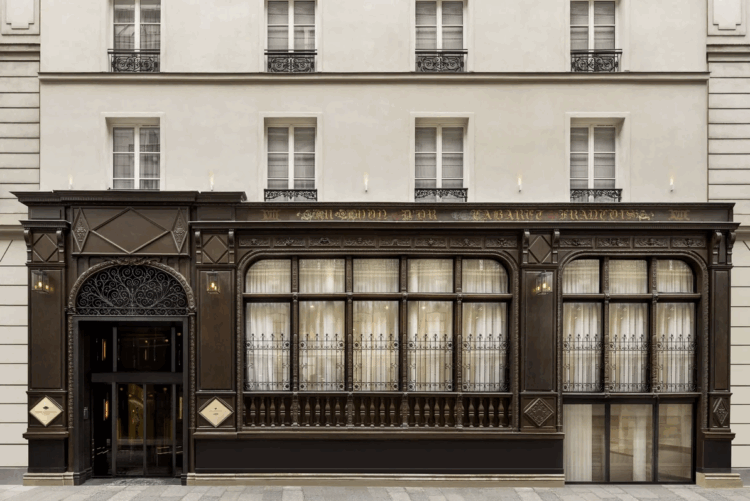
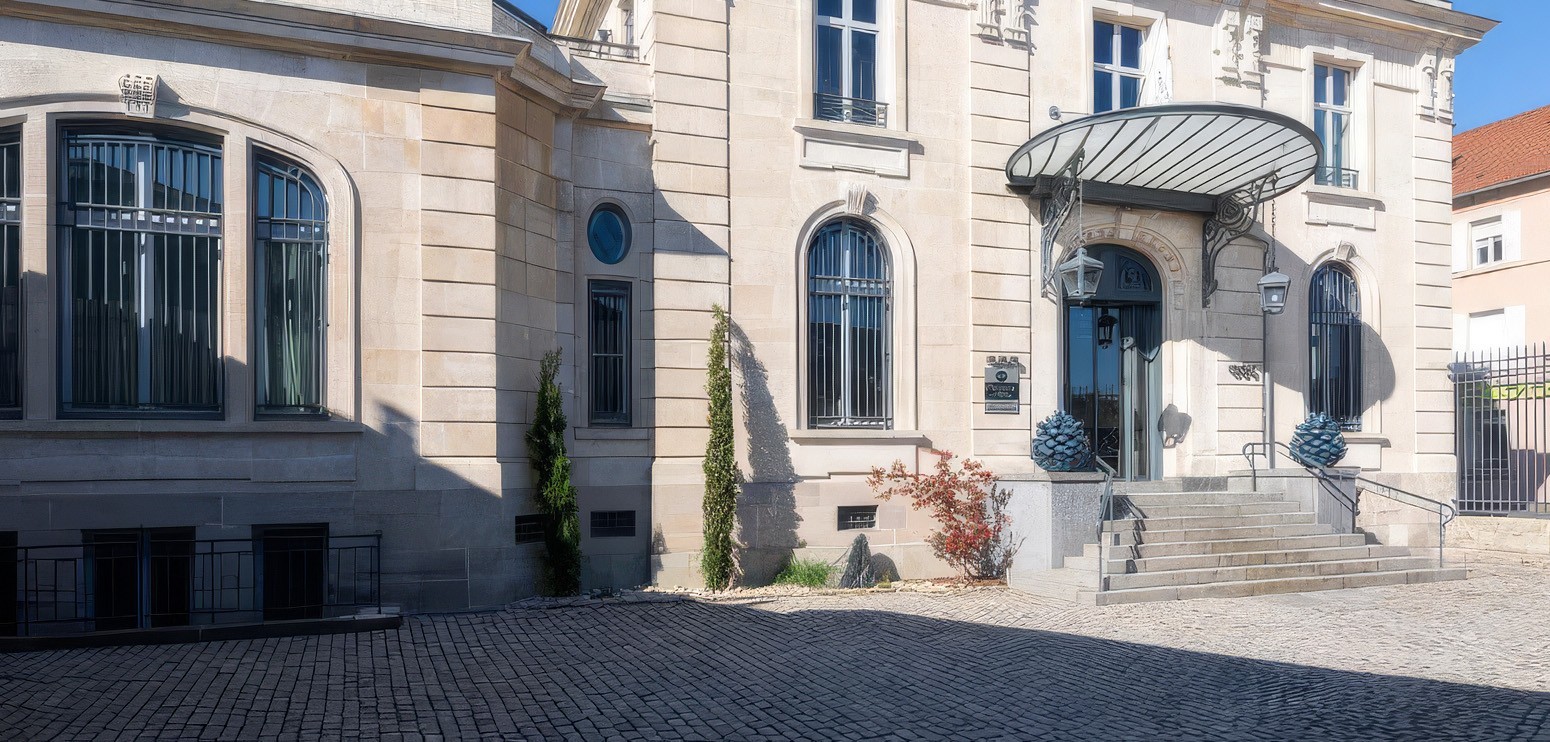
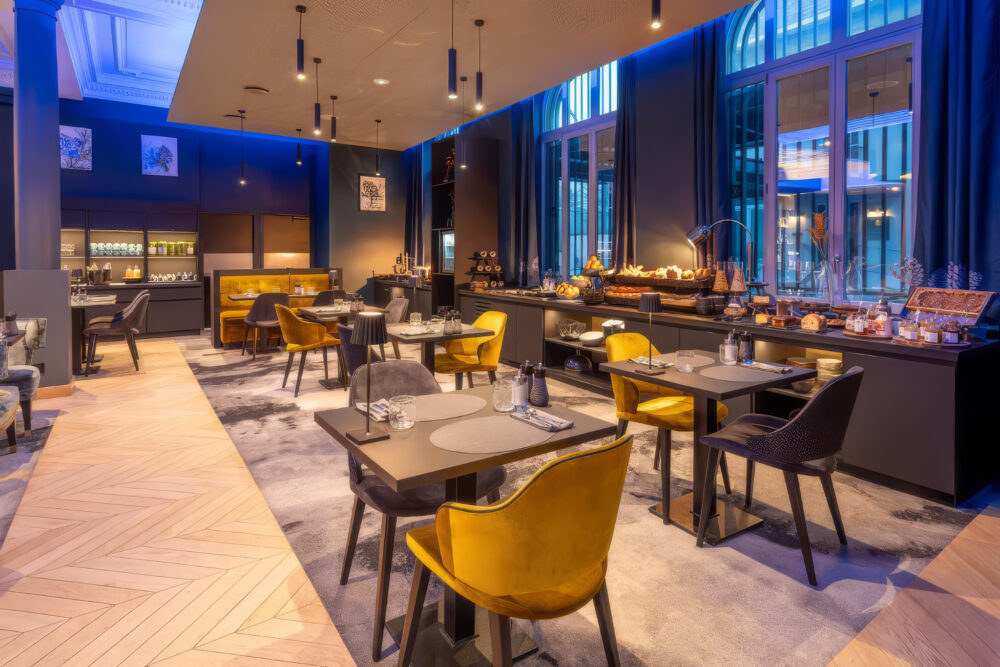
The Best Western Le Chapitre is a luxury hotel that features a variety of spaces designed for a wide range of uses: guest rooms, a restaurant, a bar, a spa, a swimming pool, common areas, and utility rooms.
Every area has its own specific needs.
An occupied room is not managed the same way as an unoccupied one. A wellness area does not operate the same way as a restaurant. Technical equipment must remain reliable while ensuring consistent comfort for guests.
In this type of facility, energy management must therefore address several priorities at once: controlling energy consumption, maintaining comfort, streamlining operations, and enabling staff to respond more quickly.
The goal wasn’t simply to track data.
The main objective was to make the hotel’s operations more transparent and easier to manage.
The challenge
Make the building more user-friendly without complicating the teams' daily work
Before implementing the Ewattch solution, the hotel faced a common challenge in the hospitality industry: while the equipment was functioning properly, keeping track of it all remained a complex task.
- The information was sometimes scattered.
- Some actions still relied on manual adjustments.
- Some irregularities could be difficult to identify quickly.
- And the teams had to juggle multiple areas, multiple uses, and multiple priority levels.
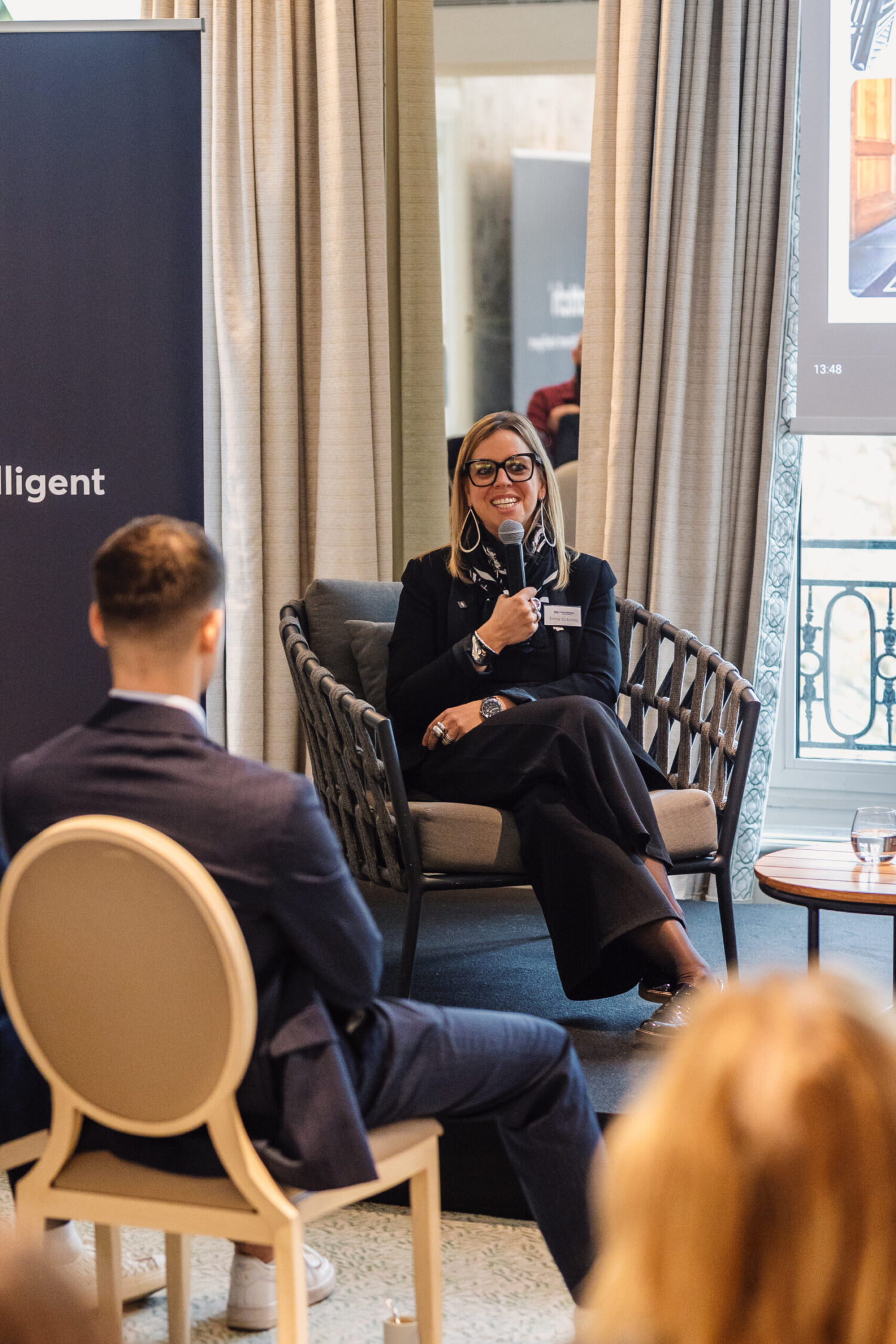
“I didn’t set out to become an energy expert.
I just wanted my hotel to run more efficiently.”
Emilie Claudel
Owner & Manager, Best Western Le Chapitre & Le Lafayette
So the issue wasn't purely technical.
It was an operational challenge.
The hotel needed a solution capable of centralizing important information, flagging relevant alerts, and giving staff a clear picture of what was actually happening in the building.
The challenge: moving from reactive management to a more intelligent, simpler, and more operational approach.
The solution
A building management system designed for the hotel industry
Ewattch has implemented a building management system (BMS) capable of centralizing data, controlling equipment, and adjusting the building’s operations to the hotel’s actual usage patterns.

Underreporting of energy
Track energy consumption by usage to better understand which areas consume the most energy, identify inefficiencies, and guide optimization efforts.

-based HVAC control
Adjust heating, air conditioning, and ventilation to meet the actual needs of each space, without requiring numerous manual adjustments.

's connection to the PMS
Automatically adjust the control system based on the status of the rooms, in order to ensure comfort at the right time and minimize unnecessary energy consumption.

Maintenance Alerts &
Report technical issues more quickly so that teams can respond with the right information in the right place.

Centralized monitoring of the
Consolidate data, equipment, and alerts into a single interface to give teams a clear overview of the building.

Comfort &
: sensitive areas
Monitor guest rooms, common areas, the spa, the pool, and the boiler room to ensure comfort and the proper functioning of the facilities.
The benefits
A hotel that is more comfortable, more user-friendly, and easier to manage
Improved control over customer satisfaction
Teams have a better overview of temperatures and comfort levels. Deviations are easier to spot, allowing them to take action before any discomfort becomes apparent to the customer.
Field teams breathe a sigh of relief
Key information is centralized in a clear interface. Teams spend less time trying to pinpoint the source of a problem or performing manual checks, and can focus on actions that actually make a difference.
Decisions that are easier to make
The data provides a better understanding of how the building is used, helps identify areas that require monitoring, and allows for the prioritization of necessary actions. This gives the hotel greater clarity in managing its facilities and guiding its decisions on improvements.
More responsive maintenance
Alerts make it easier to detect technical anomalies. Teams can be notified more quickly in the event of deviations or malfunctions, which helps minimize delayed responses and operational disruptions.
Occupancy-based control
The building is better adapted to the hotel’s actual rhythm. The guest rooms, common areas, and technical zones can be managed according to their specific uses, rather than following a one-size-fits-all approach.
The result
Centralize without adding complexity; manage without compromise
With Ewattch, the Best Western Le Chapitre has a clearer understanding of its building and energy management that is better aligned with the realities of the hospitality industry.
The solution bridges the gap between technical challenges and on-site priorities: customer comfort, energy efficiency, ease of use, maintenance, and service continuity.
The result: a hotel that is more user-friendly, more comfortable, and easier to manage.