In many hotels, the technical staff are constantly in demand.
Not necessarily because of major incidents.
But because of a buildup of minor issues:
- a room that's too hot
- a lack of hot water
- improperly adjusted equipment
- a ventilation system that runs continuously
Taken individually, there's nothing to complain about.
But taken together, these situations take up time every day.
Above all, much of it could be prevented.
Why Your Teams Spend Their Time Dealing with Technical Issues
The operation still relies heavily on a reactive model:
- A customer reports a problem
- an anomaly is detected
- an action is triggered
And the teams spring into action.
This model helps manage situations, but it has an unintended consequence: we address the consequences without addressing the causes.
As a result, the same problems keep cropping up, interventions are repeated, and the time required increases
Time wasted in daily life: the hidden cost

Each incident seems to be resolved quickly: a few minutes to diagnose the problem and a few more minutes to fix it.
But over the course of a day, this adds up to several incidents, several trips, and constant interruptions.
In the end, several hours are wasted, and this time wasn’t planned for.
It’s something that just happens, and it prevents teams from working on higher-value tasks.
In other words: we spend more time fixing things than optimizing them.
The most common technical issues in hotels
In most institutions, staff members face the same situations day in and day out.
These are well-known, recurring problems, but they are rarely addressed at their root cause.
Incorrect temperature setting
- rooms that are too hot or too cold
- standardized guidelines that are not very suitable
- no consideration of actual occupancy
The result: frequent interventions to correct deviations that were, in fact, predictable.
Unstable hot water
- waiting time is too long
- temperature fluctuations
- unnoticed gradual deviations
An immediate source of frustration for the customer and a cause of repeated support requests for the teams.
Continuous ventilation
- continuous operation, even when not in use
- no adjustment based on occupancy
- quiet but steady consumption
An invisible condition that is rarely prioritized but is very much a part of everyday life.
These situations are among the most common problems encountered in hotels.
Why these problems are actually preventable
These problems are not unforeseeable.
They follow recurring patterns: incorrect settings, lack of adjustment, and gradual deviations.
What makes them avoidable is their nature, as they rarely appear suddenly.
But because they are invisible, they are only detected after impact.
A lack of visibility that leads to repeated interventions
You can’t fix what you can’t see in the long run.
Without reliable data, it is difficult to identify the causes, impossible to detect trends, and decisions remain ad hoc.
As a result, the teams step in, but the problems persist.
The impact on the customer experience and performance
Every technical issue causes friction—even a minor one.
Often invisible to the hotelier, but unfortunately not to the guest:
- thermal discomfort
- Intermittent hot water
- poor air quality
These irritants directly affect overall perception.
But the impact doesn't stop there, because these situations also lead to excessive energy consumption, equipment wear and tear, and additional costs.
We're wasting time… and money.
How to Reduce Unnecessary Technical Interventions
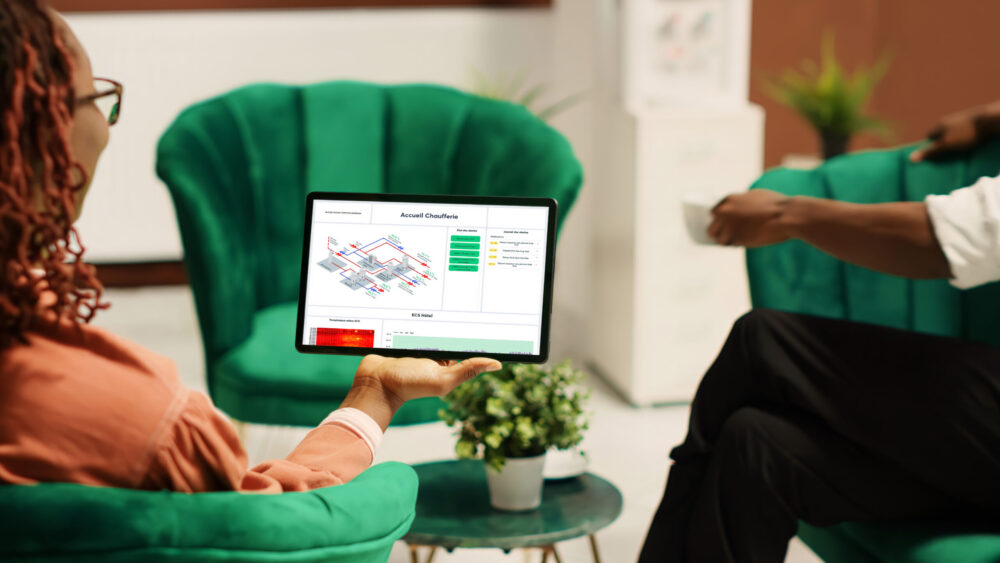
The most successful hotels have changed their approach.
They are no longer just trying to respond quickly.
They are trying to respond less often.
In practical terms, this is illustrated by:
- early detection of deviations
- receipt of pre-impact alerts
- an understanding of the real causes
As a result, this allows them to reduce the number of interventions, gain more control, and make their day-to-day operations run more smoothly.
Upstream, this step also helps reduce the workload on teams, improve operational efficiency, and provide greater peace of mind.
Free up time for your teams
The point isn't to manage problems better, but to have fewer of them.
By 2026, a hotel’s success will also depend on its ability to minimize unnecessary interventions, streamline daily operations for its teams, and take a proactive rather than reactive approach.
What if your teams spent less time fixing avoidable mistakes?
In many hotels, a significant portion of technical issues could be anticipated.
Without visibility, the same situations keep recurring and unnecessarily tie up your teams on a daily basis.
Identifying these issues helps you save time, reduce costs, and streamline your operations in the long term.
With Ewattch Cloud, our monitoring platform, you can help your teams easily regain control.